
Snooker Viewership Data and Its Hidden Value for Bettors
 Available in US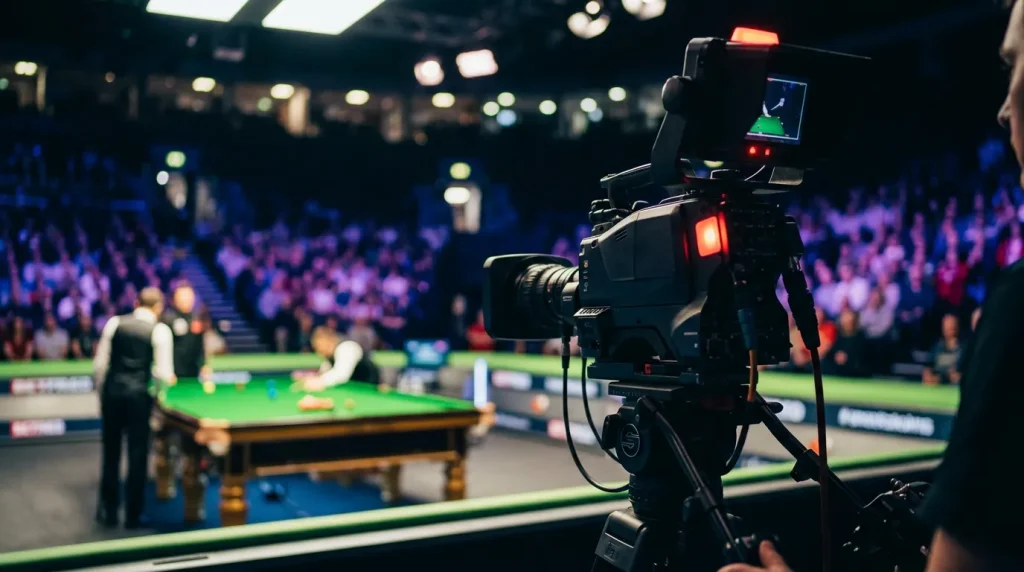
Why Viewership Numbers Matter to Punters
Most bettors never look at television ratings. It seems irrelevant – what does the number of people watching a match have to do with the odds on that match? Everything, as it turns out. Viewership drives betting volume, and betting volume determines how sharp or soft the odds are. The connection is indirect but powerful, and once I started tracking it, I found a consistent pattern: the less-watched events offered softer odds, wider bookmaker margins, and more frequent pricing errors. That’s where the money was hiding.
The 2025 World Championship generated a record 29 million streams through BBC iPlayer and BBC Sport, a 25% increase over 2024. That audience translated into intense betting activity across every market. Match-winner overrounds on televised Crucible matches were tight – 2-4% – because the volume of money flowing in forced bookmakers to sharpen their prices competitively. The market worked efficiently because millions of people were watching and thousands were betting. Take away that audience, and the efficiency collapses.
BBC and Eurosport Audience Figures: What They Show
BBC’s coverage of the 2025 World Championship reached a total TV audience of 12.6 million, with the final drawing a peak of 3 million viewers on BBC Two – a 22.5% audience share. BBC has secured the Triple Crown broadcasting rights through 2032, ensuring the sport’s premier events remain on free-to-air British television for at least another six years. BBC Sport Director Alex Kay-Jelski described the 2025 Championship as gripping, noting the phenomenal fan response across all platforms.
Eurosport’s numbers paint an even broader picture: 88 million unique snooker viewers across the 2024-25 season, with 1,500 hours of coverage delivered to each market. Warner Bros. Discovery signed a new five-year pan-European contract for WST rights, signalling confidence in the audience trajectory. WST Chief Commercial Officer Peter Wright acknowledged Eurosport’s significant role in developing snooker’s popularity across the continent, noting that many fans’ first experience of snooker came through Eurosport.
For bettors, these figures contain a practical insight: the events that generate the highest viewership also generate the sharpest betting markets. The World Championship, with its BBC audience in the millions, is the most efficiently priced event on the calendar. Markets open early, attract heavy volume from informed bettors, and leave very thin margins for casual punters to exploit. If you’re looking for value at the World Championship, you need to be sharper than the market’s collective intelligence – a difficult ask when millions are watching the same matches you are.
Higher Ratings, Higher Liquidity: The Betting Connection
The relationship between viewership and betting liquidity follows a roughly linear pattern up to a point, then curves. Low-viewership events (non-televised early rounds, minor ranking events streamed without commentary) generate minimal betting volume. The markets are thin, the spreads are wide, and you might struggle to get even modest bets matched at exchange prices. But the softness of the odds in these markets creates opportunity – if you can get your bet on at the quoted price, the value can be substantial.
Mid-viewership events – televised ranking events on Eurosport, Champion of Champions on ITV – generate moderate liquidity. The Champion of Champions saw a 12% increase in average prime-time audience and a 22% rise in final viewership in 2025 compared to the previous year. That growing audience pushes the betting markets toward greater efficiency, but they haven’t reached the razor-thin margins of the BBC-broadcast Triple Crown events. This middle tier is where I concentrate the bulk of my match betting – enough liquidity to get stakes matched without moving the price, but enough pricing softness to find genuine value multiple times per event.
High-viewership events – the World Championship, the Masters, the UK Championship – are the tightest markets on the calendar. Value exists here, but it’s harder to find and typically appears in peripheral markets (frame totals, break specials, session betting) rather than in the heavily-traded match-winner market. My World Championship betting skews toward these secondary markets precisely because the match-winner market is too efficient for my edge to outweigh the bookmaker’s margin.
There’s a practical timing element here too. Major televised matches see their sharpest odds during peak viewing hours, when the betting volume is highest and competition between bookmakers is fiercest. If you’re placing a bet on a World Championship evening session match, the odds will be tightest around 19:00-21:00 UK time when the audience is largest. Pre-match bets placed earlier in the day, before the volume arrives, sometimes offer slightly softer prices – a small but repeatable edge for early movers.
Non-Televised Events: Lower Liquidity, Potential Edge
Here’s the counterintuitive insight: the events nobody watches are the events where the most money can be made, per unit of analytical effort.
The WST runs 22 events per season, but only a fraction receive extensive television coverage. The early rounds of mid-tier ranking events are often streamed on the WST website with minimal production – a single camera angle, no commentary, modest viewership. Bookmakers still offer markets on these matches, but they price them with less analytical precision because the volume doesn’t justify the same depth of modelling they apply to televised matches.
If you’re willing to watch these streams – and I do, regularly – you gain an informational advantage over both the bookmaker and the betting public. You see how a player is cueing in real time. You notice whether the table conditions are running fast or slow. You observe body language, rhythm, and tactical approach that don’t appear in the scoreline. That observation, combined with form data, gives you a richer picture than the bookmaker’s price reflects.
The trade-off is liquidity. On exchange markets, non-televised matches may have almost no volume. On bookmaker markets, the odds might be available but with low maximum stake limits. I work within these constraints by keeping stake sizes small on non-televised events – the edge per bet is larger, but the volume I can place is smaller, so the total profit per event is modest. The cumulative effect across a full season, however, is meaningful. Fifteen small-edge bets per week across non-televised matches add up faster than two large bets per week on televised events where my edge is thinner.
For the broader framework on how market efficiency varies across the WST calendar, the odds guide covers the mechanics of how prices are set and where the gaps appear.
Do snooker TV ratings affect betting market liquidity?
Yes, directly. Higher viewership generates more betting activity, which increases liquidity and tightens odds. BBC-broadcast World Championship matches have the tightest spreads and most efficient pricing. Non-televised early rounds of minor ranking events have the widest spreads and softest pricing. This correlation creates a practical rule: the less-watched the event, the more likely you are to find pricing errors.
Which snooker tournaments have the lowest TV coverage and thinnest odds?
Early rounds of mid-tier ranking events and qualifying rounds have the lowest viewership and thinnest betting markets. These matches are typically streamed on the WST website without mainstream broadcast coverage. The bookmaker margins on these matches are wider, creating more frequent value opportunities for bettors willing to watch the streams and analyse the matches independently.
Articles
Written by the editors at World Snooker Betting.
